
Quick Answer
A fall electrical-safety check readies your North Bay home for storm and Public Safety Power Shutoff season. Test your GFCI and AFCI protection, check that smoke and carbon-monoxide alarms work, retire damaged cords and overloaded outlets, and plan for outages safely — especially generator use. Watch for the signs that mean call now: a warm or buzzing panel, a burning smell, scorching, or sparks. Most checks are simple; the ones that aren’t are worth a licensed electrician.
Key Takeaways
- Fall is the practical time to check a North Bay home’s electrical, because storm season and Public Safety Power Shutoffs are approaching.
- According to ESFI and the CPSC, testing GFCI protection and working smoke and CO alarms are among the highest-value safety checks a homeowner can do.
- Damaged cords, overloaded outlets, and reliance on power strips are common, correctable hazards worth clearing before heavy-use winter months.
- PSPS and outage season make safe backup-power practice essential — per CPUC and CPSC guidance, never run a portable generator indoors or in a garage.
- A few signs mean stop and call a licensed electrician now: a warm or buzzing panel, a burning smell, scorching, or sparks.
Fall is the right time for an electrical-safety check because the North Bay is heading into its most demanding electrical season — storms, outages, and Public Safety Power Shutoffs all cluster in the months ahead. A short round of checks now, while the weather’s still calm, means fewer surprises when the first atmospheric river arrives and the grid starts cycling. It’s the same logic as checking your roof before the rains: the time to find a problem is before the season that would expose it, not during.
Why is fall the right time for an electrical-safety check?
A Public Safety Power Shutoff, or PSPS, is a preventive de-energization of power lines by the utility during high fire-risk weather, which means North Bay homes can lose and regain power more often in fall and winter. Each of those cycles is a small stress on your home’s electrical, and each outage is a moment your household depends on backup power, flashlights, or a generator. Preparing for that rhythm — rather than being caught by it — is a big part of what a fall check is for. It turns an outage from an emergency into an inconvenience.
A Public Safety Power Shutoff (PSPS) is a preventive de-energization of power lines by the utility during high fire-risk weather; the CPUC oversees these programs, which make repeated outages a seasonal reality in the North Bay.
How the North Bay's season shapes the checklist
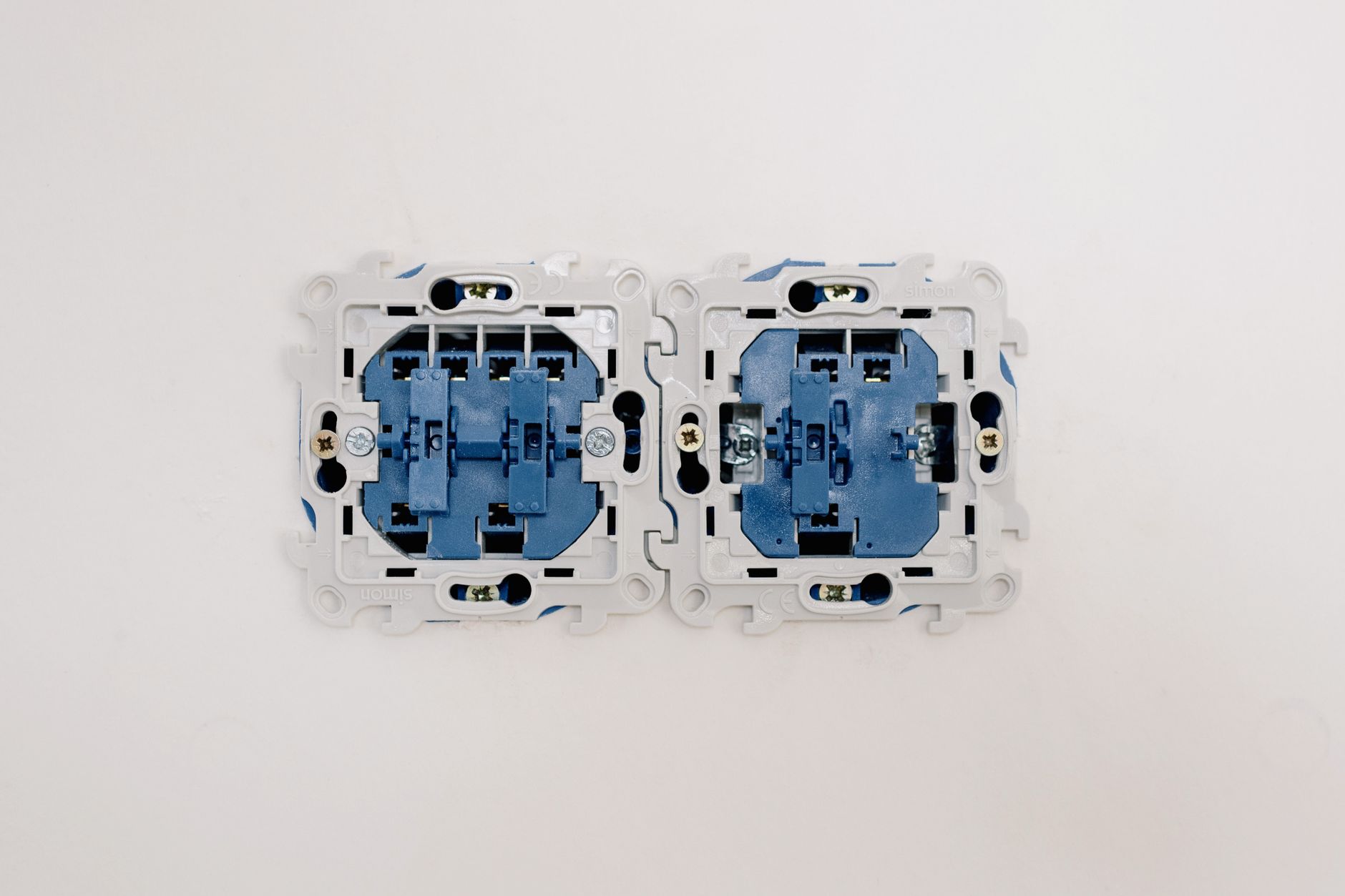
The North Bay’s geography sharpens all of this. Wooded, hilly neighborhoods on overhead lines see more weather-related faults; older homes carry older wiring and equipment; and the region’s fire risk makes PSPS a recurring reality rather than a rare event. None of that is cause for alarm — it’s just the local context that makes a seasonal check genuinely worthwhile here. A little attention in the fall buys a lot of peace of mind through the winter, and most of the checklist is something a homeowner can do in an afternoon.
A GFCI is a ground-fault circuit interrupter — a protective device that cuts power in a fraction of a second when it senses current leaking to ground, guarding against shock in wet areas like kitchens, baths, and outdoors.
What should be on a fall electrical-safety checklist?
The core of a fall electrical-safety checklist is testing your protective devices and clearing everyday hazards: test GFCI and AFCI protection, confirm smoke and carbon-monoxide alarms work, retire damaged or frayed cords, and relieve overloaded outlets and power strips. According to the U.S. Consumer Product Safety Commission and the Electrical Safety Foundation International, these simple checks address some of the most common sources of home electrical incidents. Most take minutes and no tools, and together they meaningfully reduce risk heading into the heavy-use winter months.
The simple checks worth doing this weekend
A handful of checks deliver most of the benefit and need nothing more than a few minutes. Press the “test” and “reset” buttons on your GFCI outlets to confirm they trip and restore power. Test every smoke and carbon-monoxide alarm and replace batteries as needed. Walk the house for cords that are frayed, warm, or run under rugs, and retire them. Look for outlets doing too much work — a power strip feeding a space heater is a classic overload. None of this requires an electrician; it just requires doing it. For the outdoor and storm side, our guide to fall storm prep for a Marin home covers protecting the system from weather.
Most of a fall electrical check is a homeowner with a free afternoon. The few things that aren't are exactly the ones worth a licensed call.— Towery Electric
What can you check yourself, and what needs an electrician?
The dividing line is simple: you can safely test devices and clear visible hazards yourself, but anything involving the panel, the wiring, or a warning sign of heat or burning needs a licensed electrician. Testing a GFCI, checking an alarm, and retiring a bad cord are homeowner tasks. Opening the panel, chasing a fault, or investigating a hot or scorched outlet are not — those carry real shock and fire risk and are licensed work. Knowing which side of that line a task falls on is itself part of doing the check safely.
The reassuring reality is that the homeowner side of the list covers most of the value, and the professional side is short. The table below sorts common fall checks into what you can handle and what’s worth a call, so you can work through the list with confidence and know exactly when to stop and pick up the phone. When a check turns up one of the warning signs, that’s the electrician’s cue, not yours.
| Check | You can do | Call an electrician |
|---|---|---|
| GFCI / AFCI protection | Press test/reset to confirm it trips and restores | A device that won't reset or keeps tripping |
| Smoke & CO alarms | Test each alarm; replace batteries | Hardwired alarm that fails or chirps after new batteries |
| Cords & outlets | Retire frayed cords; relieve overloaded strips | An outlet that's warm, scorched, or loose in the wall |
| Panel & wiring | Note anything warm, buzzing, or smelling | Any panel or wiring work — always licensed |
How do you prepare safely for outages and PSPS?
You prepare for outages and PSPS by planning for power loss before it happens: keep flashlights and backup batteries ready, know where your main disconnect is, and — critically — use any generator safely. Portable generator safety is the highest-stakes part of outage prep. According to the U.S. Consumer Product Safety Commission and California Public Utilities Commission guidance, a portable generator must never run indoors, in a garage, or near open windows, because its exhaust contains carbon monoxide that can be fatal. Running one only outdoors, well away from the home, is the single most important outage-season rule. Our PSPS readiness checklist covers backup power in depth.
- Plan for the dark. Stage flashlights and charged battery packs, and confirm you know where your main service disconnect is.
- Protect your electronics. Consider whole-house surge protection, since power cycling on and off during PSPS stresses sensitive equipment.
- Use generators safely. Run any portable generator outdoors only, well away from windows and doors — never in a garage or indoors, ever.
- Consider a proper transfer setup. For a permanent generator, a professionally installed transfer switch keeps backup power safe and code-compliant.
Done ahead of time, outage prep turns a shutoff from a scramble into a routine. What you should expect from a good electrician, if you want backup power done right, is a safe, code-compliant setup with a proper transfer switch — never a makeshift connection. And whatever your setup, the generator rule doesn’t bend: outdoors only, away from the home. It’s the one part of this list where there’s no acceptable shortcut.

Want a professional set of eyes on your home before the first big storm?
Request Your EstimateWhen do fall electrical signs mean call an electrician now?
A few signs mean stop and call a licensed electrician right away, regardless of the season: a panel that’s warm to the touch or buzzing, a burning smell near wiring or an outlet, scorching or discoloration, or sparks. The National Fire Protection Association flags these same signs as reasons to act. They indicate an active hazard, not a maintenance item, and heading into a high-demand season is exactly when they’re worth catching early. If you find one of these during your fall check, treat it as urgent — cut power to the affected circuit if you safely can, and call rather than wait.
The signs a seasonal check shouldn't ignore
The warning signs deserve more weight in the fall, because winter loads and outage cycling put more stress on the system. A panel that’s been quietly fine can pick a cold, wet month to reveal a problem, and a marginal connection heats up faster under heavy seasonal load. If your check turns up heat, smell, sound, or scorching at the panel or an outlet, that’s the moment to bring in a professional rather than add it to a spring to-do list. Our guide to what to expect from an emergency call walks through what happens when one of these can’t wait.
What are the most common fall electrical-safety mistakes?
The most common mistake is skipping the check entirely and hoping the season passes quietly — then meeting a problem at the worst possible moment, mid-storm or mid-outage. The second, and most dangerous, is unsafe generator use: running a portable unit in a garage or too close to the house. The U.S. Consumer Product Safety Commission repeatedly warns that portable generator carbon-monoxide poisoning causes preventable deaths every storm season, and that generators must be run outdoors, far from windows and doors. It’s the one hazard on this list with genuinely fatal stakes.
How to avoid them
Avoid these by actually running the checklist before the first big storm, and by treating the generator rule as non-negotiable: outdoors only, away from the home, always. Test your protective devices and alarms, clear the everyday hazards, and don’t rationalize away a warm panel or a burning smell as something to deal with later. If you want backup power for the season, have it installed properly with a transfer switch rather than improvised. For the full outage-readiness picture, our North Bay backup-power checklist is the right next read as the season sets in.
Key Terms
- Public Safety Power Shutoff (PSPS)
- A preventive utility de-energization during high fire-risk weather, overseen by the CPUC, common in the North Bay.
- GFCI
- A ground-fault circuit interrupter that cuts power when it senses current leaking to ground, protecting against shock.
- AFCI
- An arc-fault circuit interrupter that detects dangerous electrical arcing and cuts power to help prevent fires.
- Transfer switch
- A device that safely connects a generator to a home's circuits, isolating it from the utility grid during backup use.
About the Author

Founder of Healthcare Marketing Group and author of The Ultimate Guide to Digital Marketing. Previously led a digital marketing company with 8,000+ clients. Writes on local-service SEO and E-E-A-T content strategy.
Reviewed By

Alex founded Towery Electric in Novato in 2014 and has helped North Bay homeowners prepare their electrical systems for storm and PSPS season for years. Reviewed this article for technical accuracy on Oct 5, 2026, 2026.
“Most of a fall check is stuff you can do yourself in an afternoon, and I’m happy to say so. The one thing I’ll never soften is generator safety — outdoors, away from the house, no exceptions. That one’s life and death.”
— Alex Towery, Licensed Electrical Contractor
How We Ensure Accuracy
Sources
- Electrical Safety Foundation International. “Seasonal and Home Electrical Safety.” esfi.org
- U.S. Consumer Product Safety Commission. “Portable Generator Safety and Home Electrical Safety.” cpsc.gov
- California Public Utilities Commission. “Public Safety Power Shutoffs (PSPS).” cpuc.ca.gov
- National Fire Protection Association. “Electrical Safety in the Home.” nfpa.org
- California Contractors State License Board. “License Detail — Towery Electric, Inc. (#989290).” cslb.ca.gov
Frequently Asked Questions
What are the most important electrical checks before winter?
Testing your protective devices and alarms delivers the most safety for the least effort. Press test/reset on GFCI outlets to confirm they trip, check that every smoke and carbon-monoxide alarm works, and retire frayed or overloaded cords. The CPSC and ESFI identify these as addressing some of the most common home electrical hazards. They take minutes and no tools, and they matter most heading into the heavy-use, outage-prone winter months in the North Bay.
Is it safe to run a generator during a PSPS?
Only if you run it correctly, and the rule is absolute: a portable generator must run outdoors, well away from windows and doors — never in a garage, a shed, or indoors, even with a door open. Its exhaust contains carbon monoxide, which is odorless and can be fatal. The CPSC warns of preventable deaths every storm season from unsafe use. For a permanent generator, a professionally installed transfer switch keeps backup power safe.
How do I test a GFCI outlet?
It’s simple and worth doing seasonally. Press the “test” button on the GFCI outlet — the “reset” button should pop out and power to the outlet should cut off. Then press “reset” to restore power. If test doesn’t cut power, or the outlet won’t reset afterward, the device may be faulty and should be checked by a licensed electrician. GFCIs guard against shock in wet areas like kitchens, baths, and outdoors, so working protection matters.
Which fall electrical tasks should I leave to a professional?
Anything involving the panel or the wiring, and anything showing a warning sign of heat or burning. Testing devices, checking alarms, and retiring bad cords are safe homeowner tasks. Opening the panel, chasing a fault, or investigating a warm, scorched, or sparking outlet is licensed work with real risk. If a check turns up a warm or buzzing panel, a burning smell, or scorching, stop and call a licensed electrician rather than investigating yourself.
Does power cycling during PSPS damage electronics?
It can. Power switching off and back on during Public Safety Power Shutoffs sends transients through a home’s wiring that stress sensitive electronics over time — solar inverters, EV chargers, computers, and smart-home gear. Whole-house surge protection at the panel helps absorb those spikes and guard the home at once. For a North Bay home that sees repeated PSPS cycling, a panel-level surge protective device is a reasonable, one-time way to reduce that seasonal wear.
Editor’s Summary
As the North Bay heads into storm and PSPS season, a short round of electrical checks pays off. Test your GFCI and AFCI protection, confirm smoke and CO alarms work, retire damaged cords, relieve overloaded outlets, and — above all — use any generator outdoors only, never in a garage. Most of the list is a homeowner’s afternoon. The few tasks that aren’t, and the warning signs like a warm panel or burning smell, are exactly what a licensed electrician is for.