
Quick Answer
Whole-home lighting control lets you manage all of a home’s lighting — dimming, scenes, and zones — from keypads, an app, or automatically by time of day. In Tiburon and Belvedere, where homes are built around bay and bridge views, it replaces cluttered switch banks with clean keypads and lets one touch set the right light for the moment. A licensed electrician designs the zones, installs the wiring and devices, and programs scenes to how the home is lived in. Done well, the technology disappears.
Key Takeaways
- Whole-home lighting control coordinates dimming, scenes, and zones across the house from keypads, an app, or automatic schedules — replacing walls of individual switches.
- On the Tiburon peninsula, the appeal is practical: light that meets constantly changing bay and bridge views without a cluttered switch layout fighting the architecture.
- Systems range from wireless retrofits that avoid opening walls to fully wired setups planned during construction or a major remodel.
- The value is in the design and programming, not just the hardware — scenes should reflect how a specific home is actually used.
- A licensed C-10 electrician handles the load planning, neutral requirements, and clean device placement so the system is reliable and unobtrusive.
Whole-home lighting control is a coordinated system that manages a home’s lighting — dimming levels, groupings, and preset scenes — from keypads, a mobile app, or automatic schedules, rather than from a separate switch for every fixture. Instead of hunting through a bank of six switches to set a room, you press one keypad button labeled for what you’re doing: ‘Evening,’ ‘Entertain,’ ‘Away.’ The system handles the rest, bringing multiple zones to preset levels at once. In a home built around a view, that coordination is the difference between fussing with switches and simply being in the room.
What is whole-home lighting control?
At its core, a control system layers intelligence on top of ordinary lighting circuits. Dimmers and keypads communicate — wirelessly or over dedicated wiring — with lighting loads throughout the house, and a small amount of programming ties them into scenes: named combinations of levels across many fixtures. A quality system also respects the fundamentals a licensed electrician cares about, like proper neutral connections and dimmer compatibility with modern LED loads, which is where a lot of lesser installs quietly fail. Manufacturers such as Lutron publish detailed compatibility and load guidance that a good installer follows closely.
A lighting scene is a saved combination of dimming levels across multiple fixtures and zones, recalled with a single keypad button or app tap — for example, an ‘Evening’ scene that dims the room while keeping the view unobstructed by glare.
Why the peninsula's light makes this worth doing
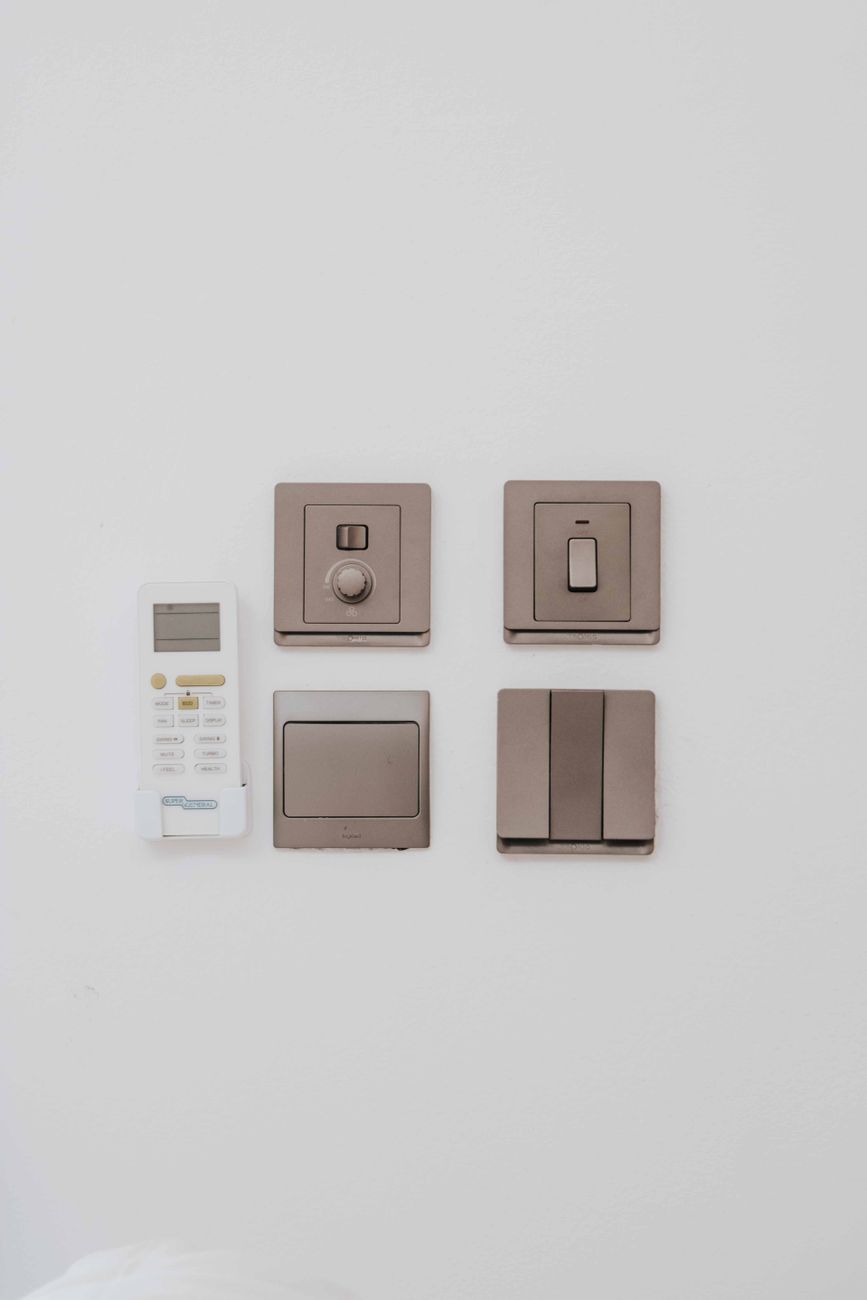
In Tiburon and Belvedere, the case for control is really a case about the setting. These are homes oriented toward the bay, the Golden Gate, and the San Francisco skyline, where the natural light shifts from morning glare to golden hour to a lit-up nighttime panorama. Fixed lighting can’t keep up with that; it either washes out the view after dark or leaves a room dim when the fog rolls in. A control system lets the interior light meet the exterior light, all day. For a deeper look at the technology itself, our guide to Lutron lighting control covers how these systems work under the hood.
A lighting zone is a group of fixtures controlled together as one — a kitchen island, a gallery wall, or a stair run — so the system can adjust related lights in coordination rather than one at a time.
How does a lighting control system actually work?
A lighting control system works by putting smart dimmers, switches, and keypads on the home’s lighting circuits and linking them so they can be operated together. Each device controls its load locally, but the system lets any keypad, the app, or a schedule command many devices at once into a scene. In a wireless system, the devices talk over a dedicated radio protocol; in a wired system, low-voltage control wiring ties them to a central processor. Both approaches deliver the same experience — coordinated, dimmable light — with different tradeoffs in cost and installation.
Wireless retrofit versus fully wired
The main choice is between a wireless retrofit and a fully wired system, and it usually comes down to whether walls are already open. A wireless system replaces existing switches and dimmers with smart versions that communicate by radio, making it ideal for a finished home where you’d rather not open drywall. A fully wired system runs dedicated control wiring back to a central hub and is planned during construction or a major remodel, offering the most seamless integration for a large custom home. Neither is universally better — the right answer depends on the home and the stage it’s at.
The best lighting control disappears. You notice the room and the view — not the technology running them.— Towery Electric
What are the differences between lighting control options?
The differences between lighting control options come down to how they communicate, how much wall work they require, and how deeply they integrate. Wireless retrofit systems are the least invasive and suit finished homes. Fully wired systems offer the tightest integration for new construction. Hybrid approaches mix both. There’s no single right choice for every Tiburon or Belvedere home — a hillside remodel with closed walls and a ground-up custom build call for different answers. The table below compares the common approaches so you can see where each fits.
Beyond the system type, the real differentiator is design. Two homes can use identical hardware and end up with completely different experiences depending on how the zones are grouped and the scenes are programmed. That’s why the planning conversation matters more than the brand on the box. If you’re weighing dedicated design help, our overview of working with a lighting designer explains how that collaboration works alongside the electrical scope.
| Approach | Best suited for | Key consideration |
|---|---|---|
| Wireless retrofit | Finished homes where opening walls isn't practical | Minimal disruption; relies on reliable radio communication |
| Fully wired system | New construction and major remodels | Deepest integration; requires planning during the build |
| Hybrid (wired + wireless) | Partial remodels or phased upgrades | Flexible, but needs careful coordination across zones |
| Single-room scene control | One key space, like a great room with a view | Lower cost entry point; can expand later |
How does a lighting control installation work?
A lighting control installation is a planned process: design the zones and scenes, confirm the electrical requirements, install the devices, then program and fine-tune. It’s less about pulling one switch and more about mapping how a home is used and translating that into a system. A licensed electrician handles the parts that make it reliable — load calculations, neutral connections, and LED dimmer compatibility — while the design work shapes how it feels to live with. The sequence below is how a typical peninsula project comes together.
- Design the zones and scenes. We walk the home, map how each space is used, and define the zones and named scenes the system will control.
- Confirm the electrical requirements. We verify neutral availability, dimmer and LED compatibility, and any load or circuit adjustments the system needs.
- Install the devices and wiring. Keypads, dimmers, and any central processor go in cleanly, with device placement planned to keep walls uncluttered.
- Program and fine-tune. We set the scenes to real levels, walk them with you, and adjust until the light matches how you actually live in each room.
The programming step is where a system earns its keep. Getting the ‘Evening’ scene right for a room that faces the Golden Gate takes a few passes at real dimming levels, watching how it reads against the changing light outside. That fine-tuning — not the hardware — is what makes a control system feel effortless. For rooms where the fixtures themselves are part of the plan, our guide to recessed lighting design for view homes pairs naturally with control-system work.

Planning lighting for a Tiburon or Belvedere home? Let's design it around your views.
Request Your EstimateWho benefits most from whole-home lighting control?
The homes that benefit most from whole-home lighting control are larger, view-oriented, or architecturally detailed properties — exactly the profile common in Tiburon and Belvedere. When a home has many fixtures across open living spaces, layered lighting, and a view worth protecting from glare, coordinated control turns a complicated switch layout into something intuitive. That said, it isn’t only for large homes; a single great room with a bank of switches and a bay view can be transformed by scene control alone. The question is less about square footage and more about how much lighting there is to coordinate.
When it's worth planning into a project
Lighting control is most worth planning into a project during new construction or a major remodel, when the walls are open and the wiring can be done cleanly from the start. Retrofitting a finished home is entirely possible with wireless systems, but building it in from the beginning gives the most seamless result and the widest range of options. If you’re already remodeling a Tiburon or Belvedere home, folding lighting control into the electrical plan early usually costs less and looks better than adding it later. And if you’re weighing outdoor spaces too, our guide to landscape and outdoor lighting covers how those systems tie together.
What are the common mistakes with lighting control systems?
The most common mistake with lighting control is buying the hardware and skimping on the design and programming — ending up with an expensive system that behaves no better than ordinary switches. The value lives in how the zones are grouped and the scenes are tuned, not in the brand name. Another frequent error is ignoring dimmer and LED compatibility, which produces flicker, buzz, or dead spots at low levels; manufacturers like Lutron publish compatibility lists specifically to prevent this. Skipping the neutral requirements or having unqualified installers place devices poorly rounds out the usual problems.
How to get it right
Get lighting control right by treating design as the main event and choosing a licensed electrician who understands both the wiring and the programming. That means confirming LED and dimmer compatibility up front, planning device placement so keypads sit where hands naturally reach, and spending real time tuning scenes rather than accepting defaults. A good installer will also tell you honestly when a simpler single-room system meets your needs — not everyone needs the whole house networked. For the everyday payoff of well-set scenes, our guide to lighting scenes and presets shows what thoughtful programming delivers.
Key Terms
- Lighting control system
- A coordinated setup that manages dimming, zones, and scenes across a home from keypads, an app, or schedules.
- Scene
- A saved combination of dimming levels across multiple fixtures, recalled with a single button or tap.
- Zone
- A group of fixtures controlled together as one unit within a lighting system.
- Keypad
- A wall device with labeled buttons that trigger scenes or control zones, replacing a cluster of individual switches.
About the Author

Founder of Healthcare Marketing Group and author of The Ultimate Guide to Digital Marketing. Previously led a digital marketing company with 8,000+ clients. Writes on local-service SEO and E-E-A-T content strategy.
Reviewed By

Alex founded Towery Electric in Novato in 2014 and has installed lighting control systems in custom homes across the Tiburon peninsula. Reviewed this article for technical accuracy on Sep 12, 2026, 2026.
“On a Tiburon job, the view is the client. My job is to light the room so it supports what’s outside the window at every hour — and then get the technology out of the way so nobody has to think about it.”
— Alex Towery, Licensed Electrical Contractor
How We Ensure Accuracy
Sources
- Lutron Electronics. “Whole Home Lighting Control & LED Dimmer Compatibility.” lutron.com
- U.S. Department of Energy. “Lighting Controls.” energy.gov
- California Energy Commission. “Building Energy Efficiency Standards (Title 24).” energy.ca.gov
- National Fire Protection Association. “NFPA 70 — National Electrical Code.” nfpa.org
- California Contractors State License Board. “License Detail — Towery Electric, Inc. (#989290).” cslb.ca.gov
Frequently Asked Questions
What is whole-home lighting control?
Whole-home lighting control is a system that coordinates a home’s lighting — dimming, zones, and preset scenes — from keypads, an app, or automatic schedules instead of from a separate switch for each fixture. One keypad button can set an entire room or several rooms at once. In view-oriented homes it lets the interior light keep pace with changing daylight, replacing cluttered switch banks with clean, intuitive controls that a licensed electrician installs and programs.
Can lighting control be added to an existing Tiburon home?
Yes. Wireless retrofit systems replace existing switches and dimmers with smart versions that communicate by radio, so a finished home can get scene control without opening walls. Fully wired systems offer deeper integration but are best planned during construction or a major remodel. For an existing peninsula home, a wireless or hybrid approach usually delivers the experience you want with minimal disruption. A licensed electrician can advise which fits your home and stage.
Does lighting control work with LED bulbs?
It does, but compatibility matters. LED loads behave differently from old incandescent bulbs, and a dimmer or system not matched to them can cause flicker, buzz, or poor low-end dimming. Reputable manufacturers publish LED compatibility lists specifically to prevent this, and a licensed electrician confirms the pairing before installing. Getting the dimmer-and-LED match right up front is one of the main things that separates a smooth-dimming system from a frustrating one.
How many scenes should a lighting control system have?
There’s no fixed number — good systems use only as many scenes as a home actually needs, usually a handful per space. Common ones are an everyday setting, an entertaining setting, a relaxed evening setting, and an away or goodnight scene. Too many scenes become as confusing as too many switches. The goal is a small set of intuitive, well-tuned scenes that match how the home is really used, which is why the programming step matters more than the hardware.
Is whole-home lighting control worth it?
For larger, view-oriented, or architecturally detailed homes, it usually is — coordinated control turns a complicated switch layout into something intuitive and lets light keep pace with changing views. For a smaller home with simple lighting, a single-room scene setup may be all that’s warranted. The value depends on how much lighting there is to coordinate, not square footage alone. A trustworthy electrician will tell you honestly where a simpler system would serve you just as well.
Editor’s Summary
Whole-home lighting control gives view-oriented Tiburon and Belvedere homes light that keeps pace with the peninsula’s changing light — scenes and zones recalled from a clean keypad instead of a crowded switch bank. The hardware matters less than the design and programming behind it. A licensed C-10 electrician handles load planning, neutrals, and LED compatibility, then tunes the scenes to how the home is actually lived in, so the technology quietly disappears.