
Quick Answer
EV charger installation in Mill Valley means fitting a Level 2 charger to homes built into hillsides, where the panel and the parking spot are often far apart or on different levels. A clean install starts with a load calculation to confirm the panel has capacity — many older Mill Valley homes on 100-amp service don’t without an upgrade — then a planned wiring run, a dedicated 240-volt circuit, and a permitted, inspected install. The terrain shapes the wire route, but the fundamentals stay the same.
Key Takeaways
- A home Level 2 charger needs a dedicated 240-volt circuit, and its size comes from the charger and a load calculation, not a guess.
- Mill Valley’s hillside homes often place the panel and the parking spot far apart or on different levels, making the wiring run the defining challenge.
- Many older Mill Valley homes run 100-amp service, so a panel upgrade is sometimes needed before a charger can be added.
- A clean install means a planned conduit route, a properly sized circuit, and permitted, inspected work — not a cord strung across the garage.
- The charger choice — hardwired or plug-in, and which brand — is secondary to getting the circuit and the run right.
A home EV charger installation is the addition of a dedicated 240-volt circuit and a Level 2 charging unit, run from your electrical panel to where you park, sized and permitted to safely deliver the charger’s rated power. A Level 2 charger is the standard for home charging because it refuels far faster than a standard outlet, and it draws a substantial, continuous load — which is why it needs its own circuit rather than sharing an existing one. The core of every install is the same: confirm the panel can supply it, run a clean circuit to the charger, and have the work inspected.
What does a home EV charger installation involve?
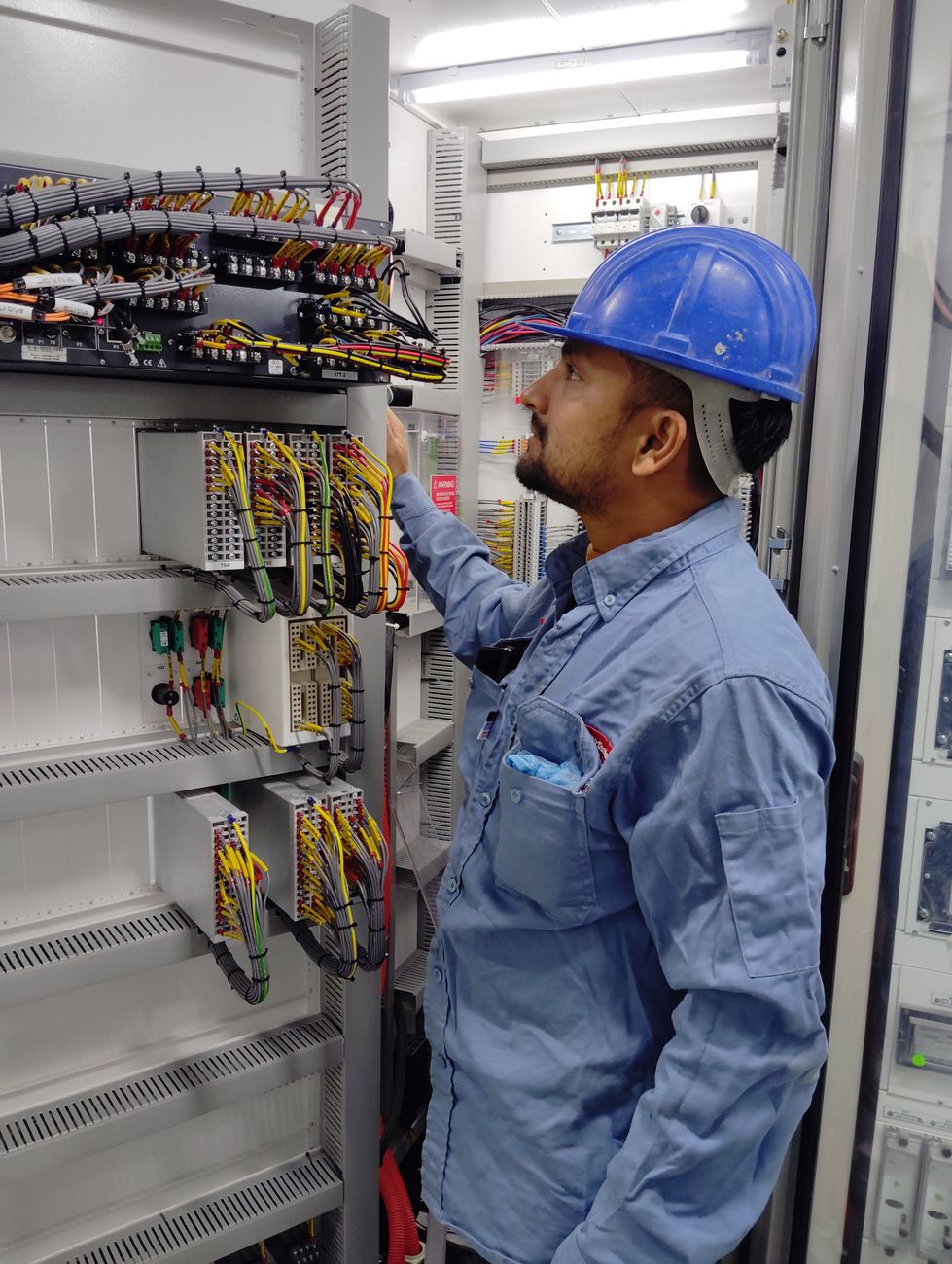
The load side is where a licensed electrician earns their keep. A Level 2 charger is a large continuous load, and whether your panel can add it depends on its size and what it’s already carrying. A load calculation under the U.S. Department of Energy’s home-charging guidance and the National Electrical Code confirms there’s room. If there isn’t, the panel is addressed first. This is common enough in older homes that we treat the panel question as step one, not an afterthought — our guide to a panel upgrade for EV charging covers exactly that decision.
A Level 2 charger is a 240-volt home charging unit that refuels an EV several times faster than a standard household outlet, requiring its own dedicated circuit.
Why Mill Valley's terrain shapes the install
Mill Valley adds its own wrinkle: geography. Homes here are built into the hills, often with the garage or parking pad on a different level from the main panel, or set well away from it down a driveway. That means the wiring run — the path the circuit takes from panel to charger — is frequently the defining part of the job, more so than in a flat lot where the panel sits a few feet from the car. A clean install plans that route so the conduit is tidy, protected, and code-compliant, even when it has to travel a good distance across a hillside home.
A wiring run is the routed path a circuit takes from the electrical panel to the charger location — often the defining challenge in a hillside home where the two are far apart or on different levels.
How do hillside homes affect an EV charger install?
Hillside homes affect an EV charger install mainly through the wiring run: when the panel and the parking area sit on different levels or far apart, the circuit has to travel farther and through more of the structure. A longer run means more conduit, more thought about the route, and sometimes a larger conductor size to account for the distance. None of this changes what the charger needs — it changes how the wire gets there. On a Mill Valley property, planning that path well is the difference between a clean install and a messy, exposed one.
Planning the route on a Mill Valley property
Planning the route on a hillside property starts with walking the path from panel to parking spot and finding the cleanest, most protected way to run the circuit. Sometimes that’s along a garage wall; sometimes it’s through a crawlspace or an exterior conduit run rated for the conditions. A longer run is entirely workable — it just needs to be planned rather than improvised. A licensed electrician accounts for the distance in the wire sizing and keeps the conduit tidy and code-compliant the whole way. For homes weighing how the charger connects, our guide to hardwired versus plug-in chargers covers that choice.
On a hillside home, the charger's easy — it's the run from the panel to the car that takes the craftsmanship.— Towery Electric
What are the differences between home charger options?
The main differences between home charger options are charging level, connection method, and unit features. Level 1 charging uses a standard outlet and is slow; Level 2 is the practical home standard, and it’s what most Mill Valley installs use. Within Level 2, chargers can be hardwired or plug-in, and they vary in amperage and smart features. The right choice depends on your vehicle, your driving, and your panel’s capacity — not on picking the highest number. The table below compares the common options so you can see where each fits.
Whatever unit you choose, the circuit behind it does the real work. A charger is only as capable as the circuit feeding it, and a properly sized, dedicated circuit matters more than the brand on the wall. Popular units like the Tesla Wall Connector or a universal J1772 charger install cleanly when the electrical is done right. If you drive a Tesla, our guide to a Tesla Wall Connector installation covers that specific setup; for connector standards, our Tesla versus J1772 comparison helps you choose.
| Option | Best for | Consideration |
|---|---|---|
| Level 1 (standard outlet) | Low-mileage drivers, plug-in hybrids | Slow; adds only a few miles of range per hour |
| Level 2 hardwired | Most home charging; clean permanent install | Fixed location; often preferred for longer hillside runs |
| Level 2 plug-in (240V outlet) | Flexibility to unplug or relocate the unit | Requires a properly installed 240V receptacle |
| Smart/networked charger | Scheduling, load management, multi-EV homes | Useful features; still needs a properly sized circuit |
How does a Mill Valley EV charger installation work?
A Mill Valley EV charger installation is a planned sequence: run a load calculation, plan the wiring route, pull the permit, install the circuit and charger, then have it inspected. The load calculation and the route planning are the two steps that matter most on a hillside home, because they determine whether the panel needs attention and how the wire gets to the car cleanly. From there, the install follows the same permitted, inspected path as any home charger. The steps below show how it comes together.
- Load calculation. We confirm your panel has capacity for a Level 2 charger, and flag whether an upgrade is needed before proceeding.
- Plan the wiring route. We walk the path from panel to parking spot, choosing the cleanest, most protected conduit route for your hillside layout.
- Permit and install. We pull the permit, run the properly sized dedicated 240-volt circuit, and mount and terminate the charger cleanly.
- Inspection. Your local jurisdiction inspects the circuit and install before it’s energized — confirming the work meets code.
On a hillside install, the route-planning step pays off for years: a well-run circuit is tidy, protected, and out of the way, rather than a cord taped along a wall. Coordinating the permit and inspection is part of doing it right, and it’s what keeps the install from becoming a problem at resale. If your panel turns out to need capacity first, our guide to electrical panel upgrades in Marin covers that step in full.
Adding an EV charger to a Mill Valley home? Let's plan the run.
Request Your EstimateWho needs a panel upgrade before charging in Mill Valley?
The Mill Valley homeowners who most often need a panel upgrade before adding a charger are those in older homes still on 100-amp service, those whose panels are already full, and those adding a charger on top of other new electric loads. Many of Mill Valley’s mid-century hillside homes were built with service sized for a lighter era, and a Level 2 charger is a meaningful addition. On the other hand, a home already on 200-amp service with open slots often adds a charger with no panel work at all. The load calculation is what tells the two apart.
When your existing panel is enough
Your existing panel is often enough when your home already has 200-amp service, spare breaker slots, and a load calculation confirming room for the charger’s draw. In that case the project is planning the run and installing the circuit — no upgrade needed. Not every Mill Valley install requires panel work, and a trustworthy electrician will tell you when yours already has the capacity rather than selling you an upgrade you don’t need. If you expect to add more electric loads later, though, upgrading once can be the smarter long-term move. Our guide to charging two EVs at home covers planning for multiple chargers.
What are the common mistakes with EV charger installs?
The most common mistake is skipping the load calculation and assuming any panel can take a charger — then discovering mid-project that the service is maxed out. A Level 2 charger is a large continuous load, and putting it on an undersized panel or a shared circuit is both a code violation and a hazard. Another frequent error, especially on hillside homes, is improvising the wiring run instead of planning it, leaving exposed or poorly protected conduit. The Electrical Safety Foundation International ties electrical hazards to overloaded and improperly installed circuits — exactly what a planned, permitted install avoids.
How to get a clean install
Get a clean EV charger install by starting with a load calculation, planning the wiring route before any wire is pulled, and choosing a licensed C-10 electrician who pulls the permit and has the work inspected. On a Mill Valley hillside home, the route planning is what makes the install tidy and lasting rather than improvised. Be wary of any quote that’s cheap because it skips the load calc, the permit, or a proper conduit run. For the broader picture on getting a charger installed right, our guide to a clean, code-compliant charger setup covers the standards a good install meets.
Key Terms
- Level 2 charger
- A 240-volt home EV charging unit that refuels several times faster than a standard outlet, requiring its own dedicated circuit.
- Dedicated circuit
- A circuit serving only the charger, with its own breaker, so the continuous EV load doesn't share capacity.
- Wiring run
- The routed path a circuit takes from panel to charger — often long or multi-level in a hillside home.
- Load calculation
- A code-defined tally of a home's electrical demand, used to confirm the panel can supply a new charger.
About the Author

Founder of Healthcare Marketing Group and author of The Ultimate Guide to Digital Marketing. Previously led a digital marketing company with 8,000+ clients. Writes on local-service SEO and E-E-A-T content strategy.
Reviewed By

Alex founded Towery Electric in Novato in 2014 and has installed EV chargers on hillside homes throughout Mill Valley and southern Marin. Reviewed this article for technical accuracy on Sep 17, 2026, 2026.
“In Mill Valley, the panel’s often on one level and the car’s on another. The charger itself is the easy part — earning the job is running that circuit clean across the house so it looks like it was always meant to be there.”
— Alex Towery, Licensed Electrical Contractor
How We Ensure Accuracy
Sources
- U.S. Department of Energy. “Charging at Home — Alternative Fuels Data Center.” afdc.energy.gov
- National Fire Protection Association. “NFPA 70 — National Electrical Code.” nfpa.org
- Electrical Safety Foundation International. “Electrical Safety and Overloaded Circuits.” esfi.org
- California Energy Commission. “Building Energy Efficiency Standards (Title 24).” energy.ca.gov
- California Contractors State License Board. “License Detail — Towery Electric, Inc. (#989290).” cslb.ca.gov
Frequently Asked Questions
Do I need a panel upgrade to install an EV charger in Mill Valley?
It depends on your panel’s capacity. Many older Mill Valley homes run 100-amp service, which can be tight once you add a Level 2 charger’s large continuous load — in those cases an upgrade to 200 amps may be needed first. But a home already on 200-amp service with open breaker slots often adds a charger with no panel work at all. A load calculation from a licensed electrician gives the definite answer before any work begins.
How does a hillside home affect the charger installation?
Hillside homes mainly affect the wiring run. When the panel and the parking area sit on different levels or far apart — common in Mill Valley — the circuit has to travel farther and through more of the structure, sometimes needing a larger conductor to account for distance. This doesn’t change what the charger requires; it changes how the wire gets there. Planning that route carefully is what makes the install clean, protected, and code-compliant rather than improvised.
Can any electrician install an EV charger?
EV charger installation should be done by a licensed electrician who runs a load calculation, sizes the dedicated circuit correctly, plans the wiring route, and pulls the permit for inspection. A Level 2 charger is a substantial continuous load, and an undersized or improperly installed circuit is both a code violation and a safety hazard. On a hillside home especially, the route planning takes experience. A licensed C-10 contractor ensures the install is safe, tidy, and passes inspection.
What's the difference between a hardwired and plug-in EV charger?
A hardwired charger is permanently connected to the circuit, giving a clean, fixed install often preferred for longer hillside runs. A plug-in charger connects to a properly installed 240-volt outlet, offering the flexibility to unplug or relocate the unit. Both need a correctly sized dedicated circuit behind them. The right choice depends on your preferences and setup, and a licensed electrician can advise which suits your Mill Valley home. Either way, the circuit is what determines charging capability.
How long does an EV charger installation take?
A straightforward install where the panel has capacity and the run is short can often be completed in a day. A hillside home with a long wiring run, or one needing a panel upgrade first, takes longer and involves more planning. Permitting and inspection also add calendar time around the physical work. A licensed electrician gives you a timeline after the load calculation and route walk, so you know what to expect before the job starts.
Editor’s Summary
Installing an EV charger in Mill Valley means adapting a standard Level 2 setup to hillside homes, where the panel and the parking spot are often far apart or on different levels. The charger is the easy part; the planned, clean wiring run is the craft. It starts with a load calculation — many older Mill Valley homes on 100-amp service need a panel upgrade first — followed by a permitted, inspected install with a properly sized dedicated circuit routed tidily across the terrain.