
Quick Answer
Electrical repair in Novato means diagnosing why a problem is happening — a loose connection, an overloaded circuit, a failing device, or aging wiring — and fixing that cause, not just resetting a breaker. A licensed local electrician tests the circuit, traces it to the source, and makes a lasting repair to code. Because Novato’s housing stock skews older, many recurring problems trace back to decades-old wiring. If a quick fix is genuinely the right answer, we’ll say so.
Key Takeaways
- A recurring electrical problem is a symptom; the repair worth paying for finds and fixes the underlying cause, so it doesn’t come back.
- Novato’s older housing stock means many home electrical issues trace to aging wiring, original devices, or circuits never sized for modern loads.
- Common repairs — dead outlets, tripping breakers, flickering lights — usually resolve to a small number of root causes a licensed electrician can isolate methodically.
- Some repairs are minor and same-visit; others reveal a safety issue like a failing panel or damaged wiring that deserves an honest, plain conversation.
- A local Novato electrician can respond quickly and knows the county’s permitting and the quirks of its older neighborhoods.
Electrical repair is the process of diagnosing why a circuit, device, or system is misbehaving and correcting that underlying cause so the problem doesn’t recur. It’s different from a reset or a swap, and the difference is the whole point. Resetting a tripped breaker or replacing a dead outlet feels like a repair, but if the reason the breaker tripped or the outlet died is still there — a loose connection heating up, a circuit carrying more than it should — you’ve treated the symptom and left the cause. Good repair work starts one layer deeper.
What does electrical repair actually involve?
A root cause is the actual source of a fault, as opposed to the visible symptom it produces at the outlet, switch, or panel. The wiring methods and connections a repair has to get right are governed by the National Electrical Code, adopted in California as the state’s electrical code (NFPA 70). A flickering light might trace to a loose neutral in a junction box three rooms away. A breaker that trips every evening might be a circuit quietly overloaded by a space heater and a microwave sharing it. Finding the cause takes a meter, a method, and a willingness to trace the circuit rather than guess. That’s what separates a diagnosis from a parts swap, and it’s what keeps a repair from turning into a repeat visit.
Root cause is the underlying source of an electrical fault — such as a loose connection, an overloaded circuit, or degraded wiring — as opposed to the symptom it produces at a device or breaker.
Why Novato's older homes change the diagnosis
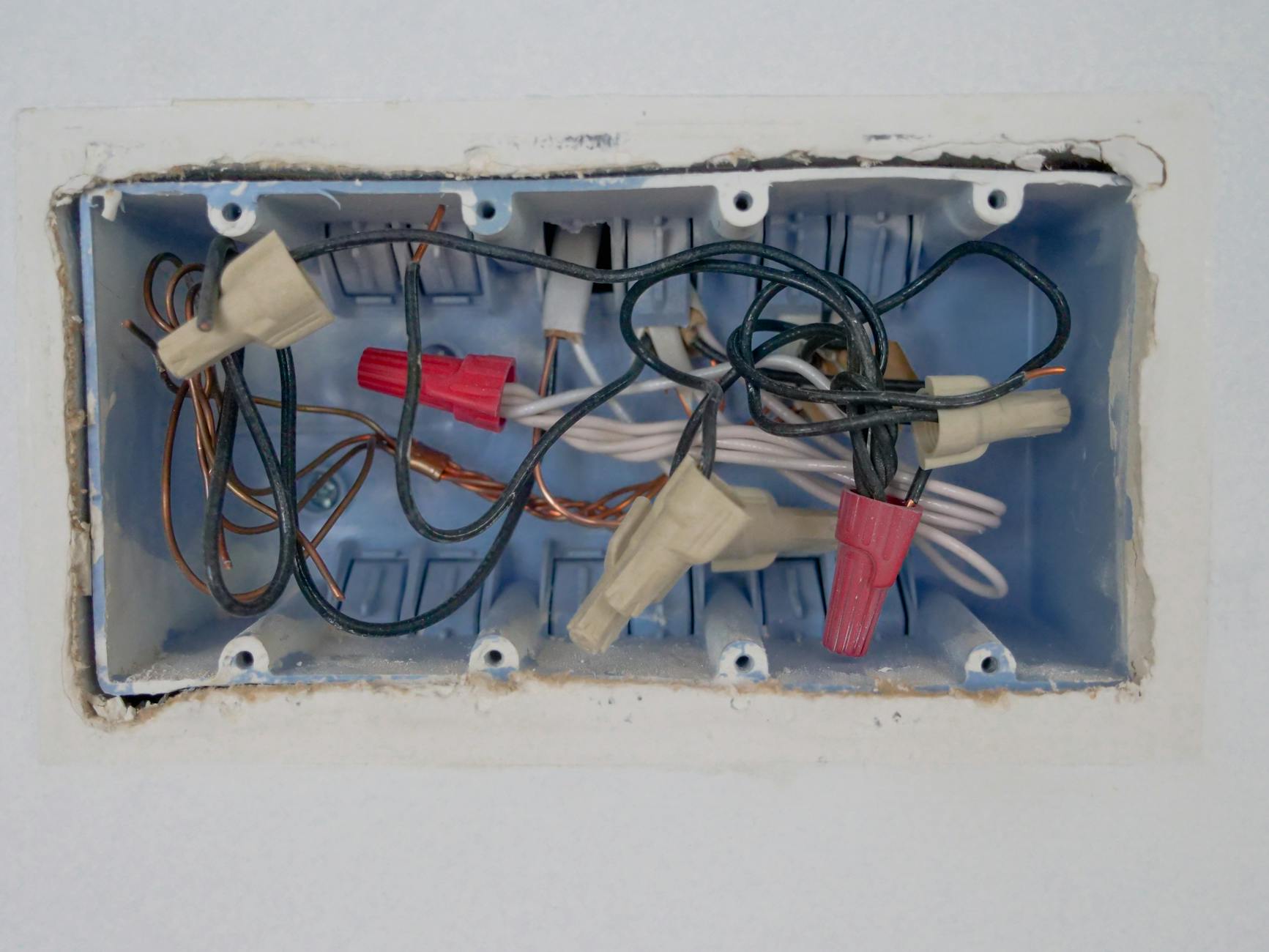
In Novato, a lot of that tracing leads back to the age of the housing. Novato has neighborhoods built across many decades, and a median home here is well into middle age — old enough that its wiring, devices, and circuit layout were designed for a lighter electrical era. Original two-prong outlets, aluminum branch wiring in certain years, and circuits never meant to run today’s kitchens are common findings. Knowing the local housing stock helps a local electrician anticipate what’s likely behind a symptom before the cover plate even comes off.
A branch circuit is the wiring that carries power from the panel to the outlets, lights, and appliances in one area of the home; most residential repairs isolate the problem to a single branch circuit.
What are the most common electrical repairs in Novato homes?
The most common electrical repairs in Novato homes are dead or intermittent outlets, breakers that trip repeatedly, flickering or dimming lights, and switches or fixtures that stopped working. Each of these usually resolves to a short list of causes: a loose or corroded connection, an overloaded or shared circuit, a failing device, or aging wiring that’s reached the end of its service life. None of them is inherently alarming, but each deserves a real diagnosis rather than a guess, because the same symptom can point to a harmless fix or a genuine safety issue.
When a symptom is worth a same-week call
A few repair symptoms are about safety, not just convenience, and they warrant a prompt call rather than a note on the to-do list. An outlet or switch plate that’s warm or discolored, a persistent burning smell, a breaker that trips harder each time you reset it, or any sign of scorching are reasons to stop using the circuit and have it looked at. These don’t always mean a big repair, but they do mean the circuit is telling you something. If it’s after hours, our guide to emergency electrician response walks through what happens when you call for urgent help.
A symptom points; it doesn't diagnose. The repair worth paying for is the one that follows the wire back to the cause.— Towery Electric
What's the difference between a real repair and a quick patch?
The difference is durability and safety: a real repair corrects the cause so the problem stays fixed, while a patch masks the symptom and leaves the underlying fault in place. Swapping a dead outlet without finding why it died, or repeatedly resetting a breaker without asking why it trips, is a patch. It might hold for a while, but the loose connection is still warming up or the circuit is still overloaded. A real repair costs a little more attention up front and saves the repeat visit — and, on a safety issue, it’s the difference that matters most.
Not every problem needs a large fix, and a trustworthy electrician will tell you when a small, correct repair is genuinely all that’s required. The judgment is in matching the repair to the cause: a genuinely minor issue gets a genuinely minor fix, and a symptom hiding a real hazard gets addressed properly. The table below shows how a few common Novato symptoms typically map to their likely causes and the kind of repair each points toward.
| Symptom | Likely root cause | Typical repair approach |
|---|---|---|
| Dead outlet in one room | Tripped GFCI upstream, loose connection, or failed device | Trace the circuit, restore or replace the failed point, verify the run |
| Breaker trips repeatedly | Overloaded or shared circuit, or a fault on the line | Measure the load, find the fault, rebalance or add a dedicated circuit |
| Flickering / dimming lights | Loose neutral, failing device, or utility-side issue | Locate the loose connection or failing device and correct it to code |
| Warm or scorched outlet | Loose termination or overloaded receptacle | Stop using it; replace the device and repair the connection promptly |
How does a Novato electrician diagnose and repair a problem?
A Novato electrician diagnoses a problem by testing the affected circuit, tracing it back from the symptom to the source, confirming the cause with a meter, and then making a lasting, code-compliant repair. It’s a methodical process, not trial and error, and it usually starts with questions about when and how the problem shows up. The goal is to be sure of the cause before touching anything — because a confident diagnosis is what makes the repair stick. If the trail leads to the panel itself, our panel upgrade guide covers when a repair becomes a service question.
- Listen & observe. We ask when the problem happens and reproduce it if we can, because the pattern often points straight at the cause.
- Test & trace. We use a meter to test the circuit and follow it from the symptom back to its source, ruling causes in or out.
- Confirm the cause. We verify the actual fault — a loose termination, an overload, a failed device, damaged wiring — before repairing anything.
- Repair to code. We correct the cause with a lasting, code-compliant fix, then test the circuit to confirm the problem is genuinely resolved.
When it’s done, the outlet works, the breaker holds, or the lights are steady — and it stays that way, because the cause is gone rather than covered. What you should expect from a good local electrician is a clear explanation of what was actually wrong, a repair matched to that cause, and an honest word if the deeper answer is a bigger project rather than a patch.

Chasing a recurring electrical problem in your Novato home?
Request Your EstimateWhen should a Novato homeowner call an electrician instead of waiting?
A Novato homeowner should call an electrician when a problem recurs, spreads, or shows any sign of heat, burning, or scorching — those are the markers of a fault that won’t fix itself. A single tripped breaker that resets and stays reset is usually fine. A breaker that trips again and again, an outlet that’s warm to the touch, or a problem that keeps migrating to new circuits is the home asking for a professional look before it gets worse.
The line between DIY and a licensed call
The safe DIY line is narrow: resetting a breaker, checking a tripped GFCI, or replacing a lamp is fine, but opening a panel, working inside a junction box, or chasing a fault behind the wall is licensed work. California requires electrical work to be done to code, and the Contractors State License Board urges homeowners to verify licensing before hiring; repairs inside the panel or the wiring carry real shock and fire risk if done wrong. A local licensed electrician can usually respond quickly in Novato and knows the county’s permitting and the older neighborhoods well. If you’re weighing whether a repair is really the fix, our guide to a breaker that keeps tripping is a useful next read.
What are the most common electrical repair mistakes?
The most common mistake is treating the symptom instead of the cause — resetting the same breaker for months, or swapping devices without asking why they keep failing. The second is hiring unlicensed help for work that carries genuine risk. The U.S. Consumer Product Safety Commission and the Electrical Safety Foundation International consistently tie home electrical fires to faults like loose connections and overloaded, aging circuits — exactly the kind of thing a real diagnosis catches and a patch leaves in place. In an older Novato home, that distinction isn’t academic.
How to avoid them
Avoid these pitfalls by insisting on a diagnosis before a repair, and by hiring a licensed C-10 electrician for anything beyond a reset or a bulb. Ask what the actual cause was, not just what got replaced — a good electrician can tell you. And in a home built decades ago, take a recurring problem as a prompt to have the wiring and panel assessed honestly, because sometimes the repeat symptom is the wiring’s way of telling you it’s aging out. Our guide to flickering lights in a Marin home is a good example of reading a symptom correctly.
Key Terms
- Root cause
- The underlying source of an electrical fault, as opposed to the symptom it produces at a device or breaker.
- Branch circuit
- The wiring that carries power from the panel to the outlets, lights, and appliances in one area of a home.
- GFCI
- A ground-fault circuit interrupter — a protective device that cuts power when it senses current leaking to ground.
- Termination
- The point where a wire connects to a device or another wire; a loose termination is a frequent repair cause.
About the Author

Founder of Healthcare Marketing Group and author of The Ultimate Guide to Digital Marketing. Previously led a digital marketing company with 8,000+ clients. Writes on local-service SEO and E-E-A-T content strategy.
Reviewed By

Alex founded Towery Electric in Novato in 2014 and has repaired and rewired homes throughout Novato’s older neighborhoods. Reviewed this article for technical accuracy on Sep 29, 2026, 2026.
“Anybody can reset a breaker. The work is finding out why it tripped — and in a lot of Novato homes, that answer is honest and simple once you actually trace the circuit.”
— Alex Towery, Licensed Electrical Contractor
How We Ensure Accuracy
Sources
- National Fire Protection Association. “NFPA 70 — National Electrical Code.” nfpa.org
- U.S. Consumer Product Safety Commission. “Home Electrical Safety.” cpsc.gov
- Electrical Safety Foundation International. “Home Electrical Fires.” esfi.org
- California Contractors State License Board. “Hiring a Licensed Contractor.” cslb.ca.gov
- California Contractors State License Board. “License Detail — Towery Electric, Inc. (#989290).” cslb.ca.gov
Frequently Asked Questions
Why does my outlet keep going dead in one room?
A dead outlet in one room usually traces to a tripped GFCI upstream on the same circuit, a loose connection, or a failed device. Because outlets are often wired in a chain, a fault at one point can knock out several downstream. The fix is to trace the circuit, find the failed point, and repair it — not just swap the dead outlet, which may not be the actual problem.
Is a tripping breaker something I can ignore?
A breaker that trips once and stays reset is usually doing its job. A breaker that trips repeatedly is telling you the circuit is overloaded or there’s a fault on the line, and that deserves a look. Ignoring it means the underlying problem keeps stressing the wiring. If a breaker trips harder each time you reset it, or won’t reset at all, stop and call a licensed electrician rather than forcing it.
Do older Novato homes need more electrical repairs?
Often, yes — not because anything is wrong with them, but because age matters. Novato has neighborhoods built decades ago, with wiring, devices, and circuit layouts designed for a lighter electrical era. Original outlets, certain years of aluminum branch wiring, and circuits never meant for modern kitchens are common findings. That doesn’t mean a home is unsafe; it means a recurring problem is worth a real diagnosis rather than a patch.
Can I do minor electrical repairs myself?
Some things are fine: resetting a breaker, checking a tripped GFCI button, or changing a bulb or lamp. Beyond that, opening a panel, working in a junction box, or chasing a fault behind the wall is licensed work with genuine shock and fire risk. California requires electrical work to be done to code, and a mistake in the panel or wiring is exactly the kind that causes fires. When in doubt, call a licensed electrician.
How quickly can a Novato electrician respond to a repair?
A local Novato electrician can usually respond quickly, and being based in Novato means shorter travel and familiarity with the county’s permitting and older neighborhoods. For a genuine safety concern — heat, burning smell, scorching, or sparks — treat it as urgent and call promptly rather than waiting. For a non-urgent repair, scheduling a diagnostic visit gets you a real answer about the cause and a repair matched to it.
Editor’s Summary
Electrical repair worth paying for finds the cause, not just the symptom. In Novato’s older homes, a dead outlet or a tripping breaker often traces to aging wiring, a loose connection, or a circuit never sized for today’s loads. A local licensed electrician tests the circuit, traces it to the source, and fixes the real problem to code — and tells you honestly when a small repair is genuinely all it needs.